


search News
 Get Quote
search News
Get Quote
Trampoline parks offer endless fun for families and thrill-seekers—but safety remains the foundation of a successful, sustainable operation. As a leading manufacturer of commercial trampoline park equipment, we’ve helped hundreds of clients design and operate hazard-free spaces. Below are actionable, industry-proven strategies to eliminate common risks, comply with global safety standards (ASTM F381, EN 1176), and keep guests coming back.
1. Invest in High-Quality, Safety-Certified Trampoline Equipment
The single most effective way to avoid hazards is to start with durable, purpose-built equipment. Cheap or non-commercial trampolines often have weak frames, worn springs, or thin jumping mats—all of which increase the risk of falls, entrapment, or structural failure. Our commercial trampolines feature:
Every component meets or exceeds international safety standards, so you eliminate “built-in” hazards from day one.
2. Design Layouts to Minimize Collisions and Overcrowding
Poorly planned trampoline park layouts are a top cause of accidents. To reduce collisions:
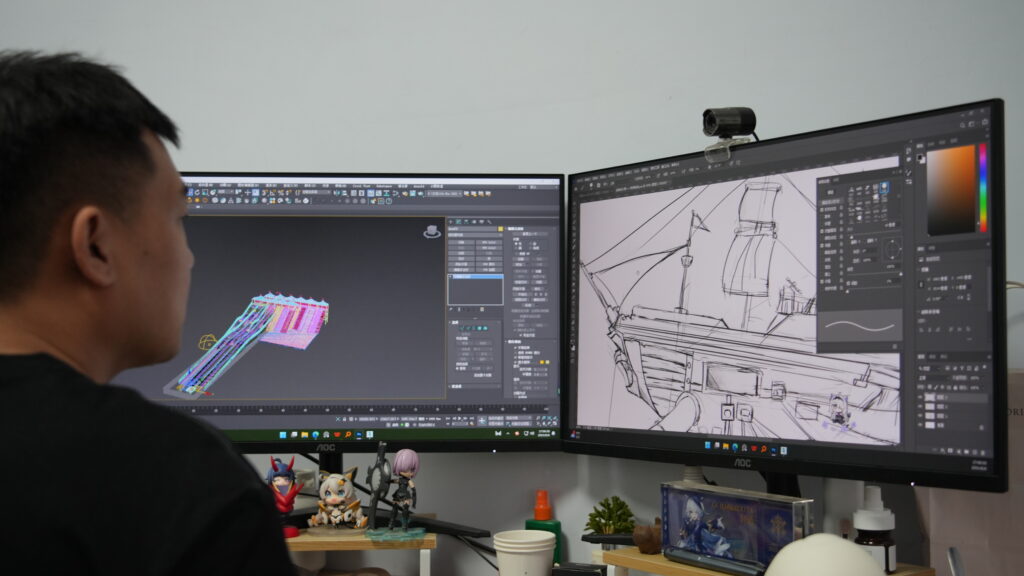
Our design team collaborates with you to create flow-friendly layouts that prevent overcrowding—we even use 3D simulations to test traffic patterns before installation.
3. Implement Strict Rules and Train Staff to Enforce Them
Human error is avoidable with clear guidelines and well-trained staff. Mandate these rules:
Train your team to actively monitor zones, correct unsafe behavior immediately, and respond to incidents. We offer complimentary staff training materials (including video tutorials) to help your team stay vigilant.
4. Conduct Daily Inspections and Regular Maintenance
Even the best equipment degrades over time—routine checks catch hazards early. Create a daily inspection checklist for:
Schedule monthly deep cleans and annual professional maintenance. Our team provides a maintenance guide tailored to your equipment, plus replacement parts delivered globally to minimize downtime.
5. Install Proper Flooring and Impact Zones
Falls from trampolines are inevitable—but severe injuries aren’t. Surround all trampoline zones with:
Avoid hard surfaces (concrete, tile) within 3m of any jumping area. Our custom flooring solutions are designed to absorb 90% of impact force, turning potential injuries into minor bumps.
6. Provide Clear Signage and Guest Education
Many hazards stem from ignorance—educate guests before they play. Post visible signs:
Offer quick safety briefings for large groups (e.g., birthday parties, school trips) and provide wristbands with rule reminders for children.
7. Prepare for Emergencies with Proper Protocols
Even with precautions, incidents can happen—being ready minimizes harm. Ensure:
Why Partnering with a Safety-Focused Manufacturer Matters
Ready to Build a Safe, Profitable Trampoline Park?
Whether you’re planning a new park or upgrading existing equipment, our team has the expertise to design a safety-first space that meets your budget and vision. Fill out our contact form today to request a free safety assessment and 3D design proposal—we’ll help you avoid hazards, comply with standards, and create a park families trust.
Join 500+ global clients who rely on our safe, durable trampoline park equipment to grow their businesses. Your guests’ safety is our priority—and your success is our goal.




 ×
©2026 Miland All Rights Reserved.
The content displayed on this website is the intellectual property of Miland Inc and is protected thereof. You may not reuse, republish, or reprint such content without our written consent.
Leave Your Message
 English


